Our Visit to the
James River Plantations of Virginia
North of the James
Westover Plantation
Westover Church Berkeley Plantation Shirley
Plantation Charles City Courthouse
July 2006
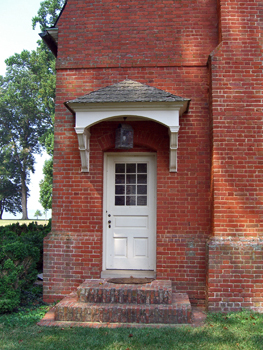
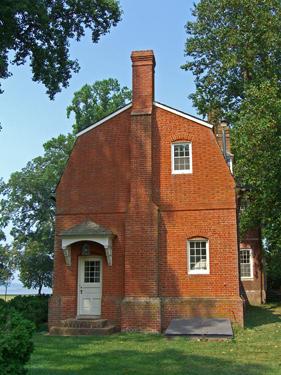
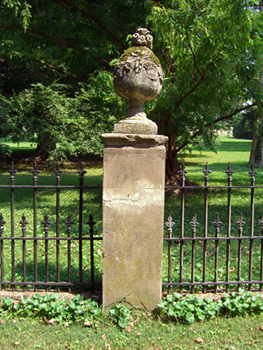
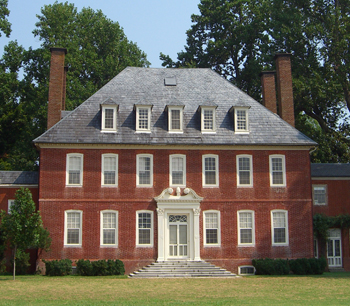
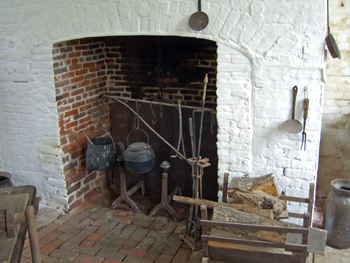
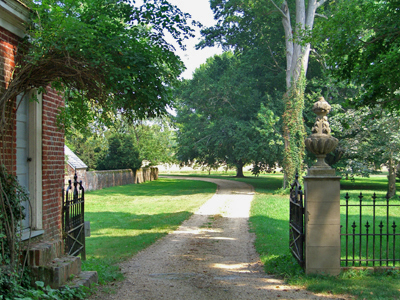
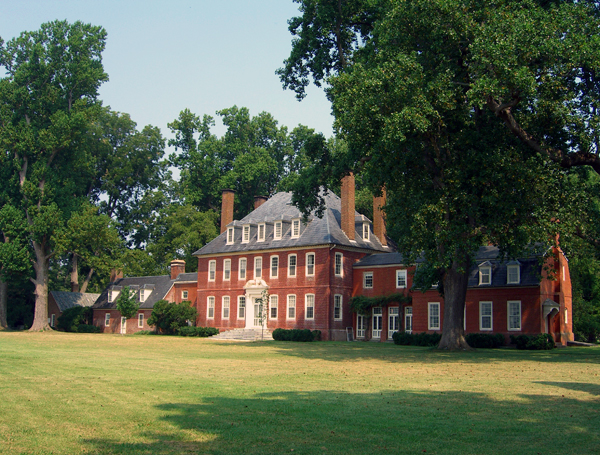
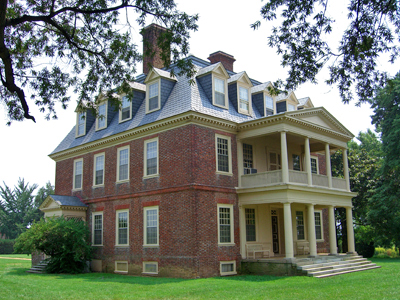
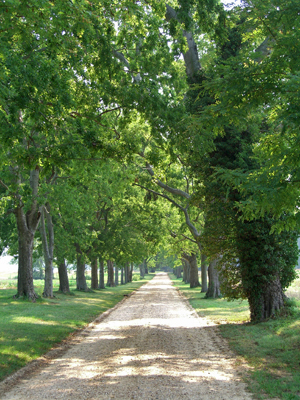
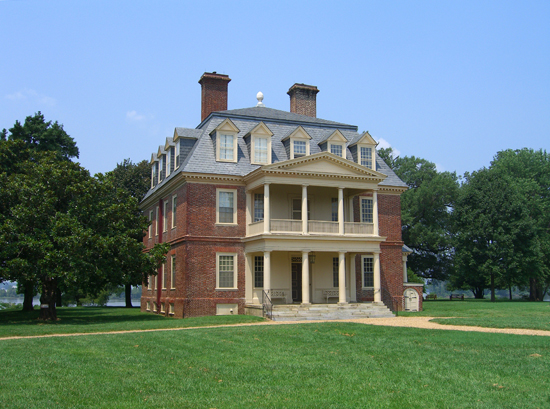
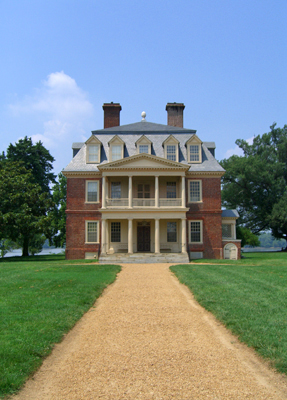
Shirley Plantation, founded in
1619 has been the home to twelve generations of the Hill-Carter family.
Construction of the grand and symmetrical Georgian style "Great House" began
in 1723 and the interior still boasts elaborate and original 18th century
paneling and molding as well as period furniture and a number of original
portraits of family members who have occupied the home over the centuries. The
"flying staircase" is an unusual and interesting feature. On the peak of the
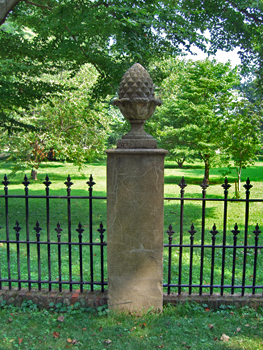
double pitched (mansard) roof one will discover a large carved pineapple, the
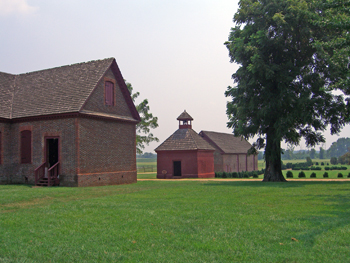
well regarded symbol of Virginia hospitality. Four brick dependencies form a
Queen Anne forecourt; a kitchen, a laundry house and a pair of barns. They and
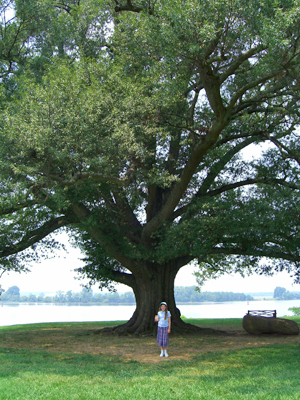
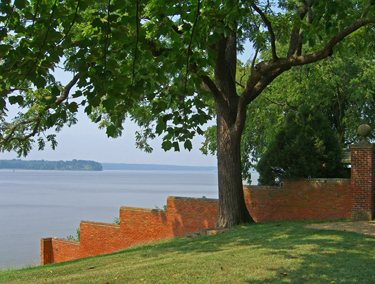
other historic structures will interest the visitor as well as an ancient and
magnificent Willow Oak under whose shade one may gaze alternately at the grand
home and the expanse of the James River.
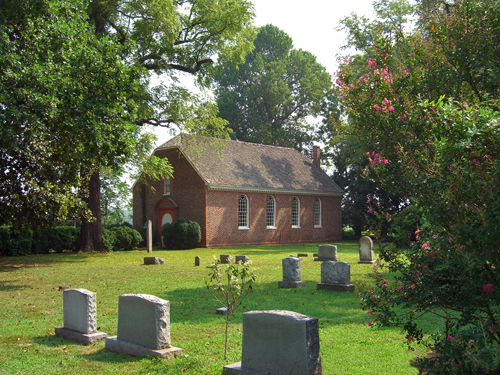
Westover Church
near the plantation of the same name serves Westover Parish. The parish dates back to 1613
though the present church building was constructed about 1780. Defaced by
Union soldiers in 1862 the church was repaired and reopened in 1867 and serves
the local community to this day.
Berkeley Plantation was founded in
1619 during which year the first "official" Thanksgiving in America was held
here on the banks of the James River. The Great House dates to 1726 and was
the birthplace of both signer of the Declaration of Independence Benjamin
Harrison and 9th President of the United States William Henry Harrison.
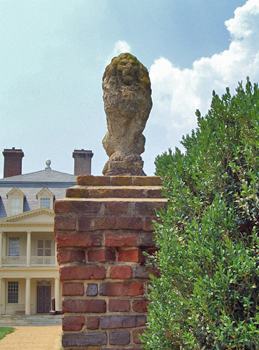
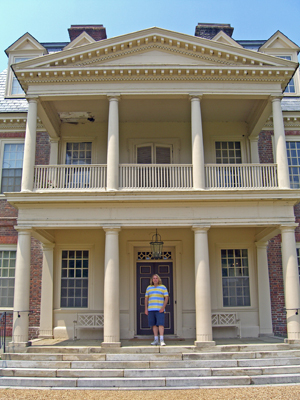
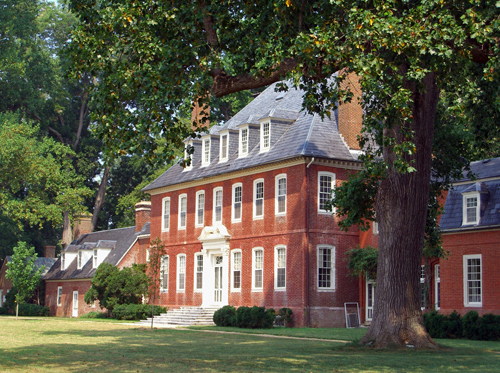
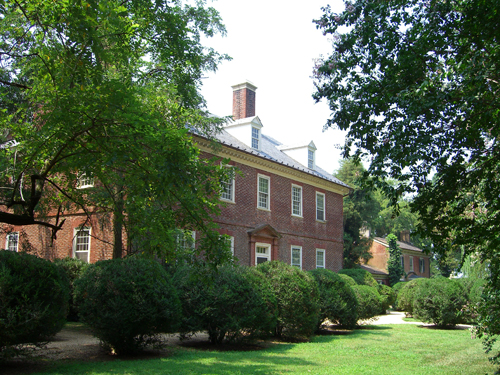
Westover Plantation was first
acquired by the Byrd family when William Byrd I purchased the land from
Theodorick Bland in 1688. The mansion was built circa 1730 by William Byrd II
who was also the founder of the city of Richmond. Beautifully situated on the
north bank of the James River, Westover is one of Virginia's most magnificent
Georgian plantation homes, featuring gardens, wrought iron gates, statuary and
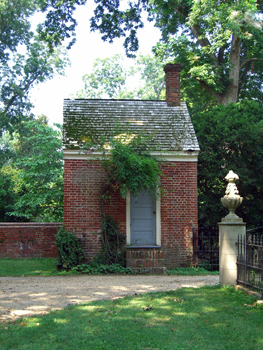
a number of brick dependencies including a necessary house with a fireplace
and seating for five.
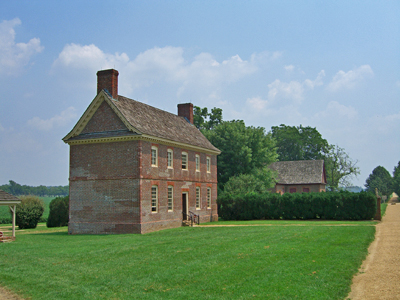

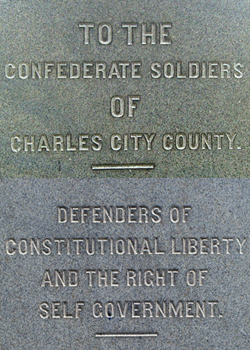
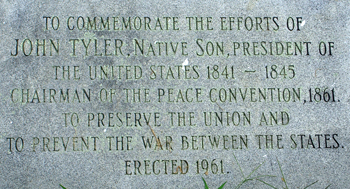
Charles City County Courthouse features a monument to
honor the defenders of Virginia during the War Between the States and a stone
tablet commemorating the efforts of local resident and former United States
President John Tyler who was the leader of an early 1861 delegation known as
the Peace Convention. Initiated by Virginia and supported by many other states
the Peace Convention traveled to Washington in hopes of meeting with President
Lincoln and other leaders with the purpose of finding commonality and
agreement thereby averting both disunion and war. Virginia herself strongly
adhered to the Union at the time but the Peace Convention's efforts were in
vain. After this disappointment and a number of other unfortunate developments
such as a demand that Virginia supply troops to invade The South, the people
of Virginia reluctantly came to the conclusion that it was necessary to
secede. Once invaded, Virginians such as those remembered by the monument to
the left volunteered in large numbers for the defense of their state.